



Department of Surgical Diseases in Family Medicine

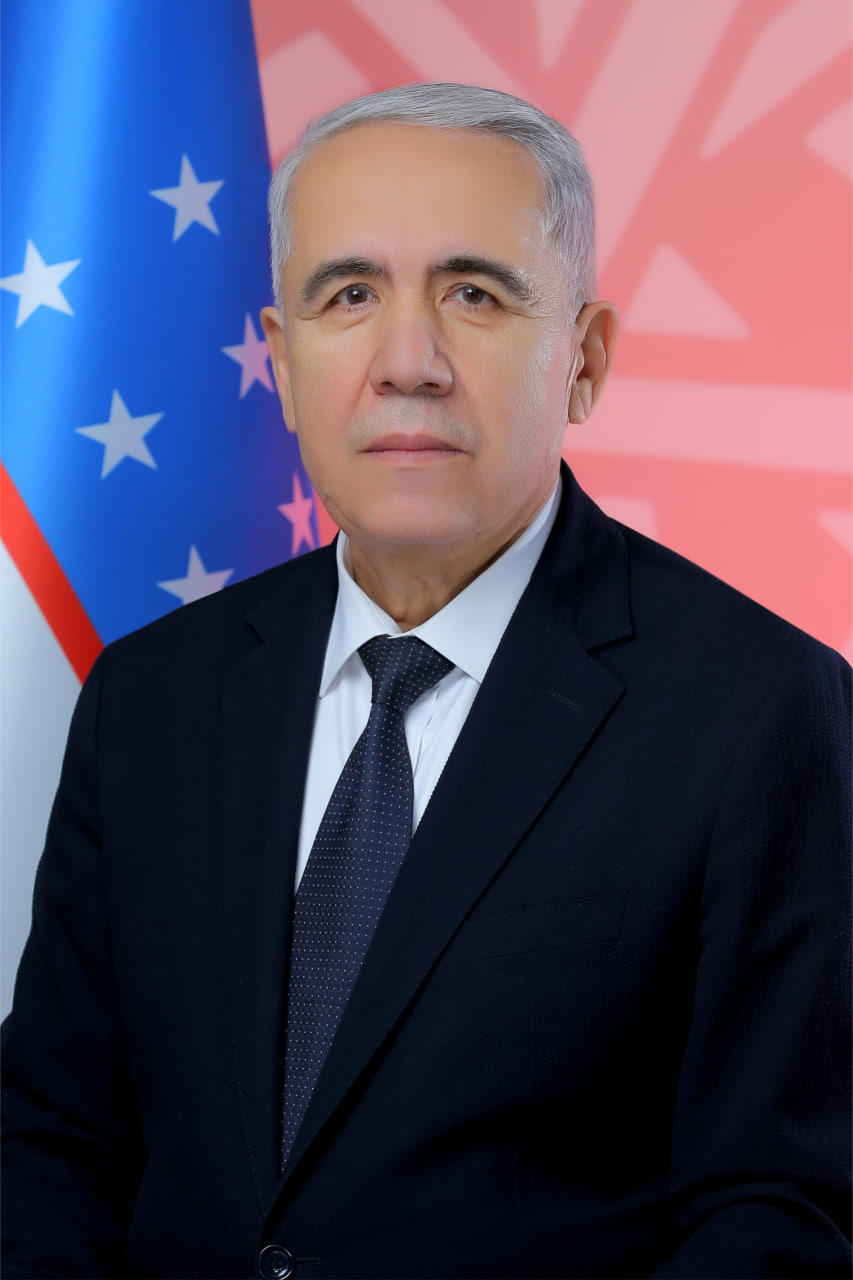
Sapaev Dilshod Aminovich
About the Department of Surgical Diseases in Family Medicine
The Department of Surgical Diseases in Family Medicine is one of the relatively young but rapidly developing clinical departments of Urgench State Medical Institute. The activities of the department are aimed at the timely diagnosis of surgical diseases within the modern family medicine system, providing comprehensive treatment, and organizing practice-oriented education.
This almanac has been prepared to highlight the history of the department’s establishment, the stages of its development, its academic and teaching staff, as well as its educational and clinical activities.
Establishment of the Department
The Department of Surgical Diseases in Family Medicine was established on August 29, 2023. The main objective of establishing the department was to develop strong theoretical knowledge and practical skills in surgical diseases among physicians working within the family medicine system, as well as to improve the quality of primary and specialized medical care provided to the population.
The department operates on the basis of the Clinic of Urgench State Medical Institute, the Khorezm Branch of the Republican Scientific Center for Emergency Medical Care, as well as the surgical departments of the private clinics “Yulduz Med Servis,” “Medkompleks,” and “Surjimed.” These clinical bases provide broad clinical opportunities for students and trainees.
Department Leadership and Academic Staff
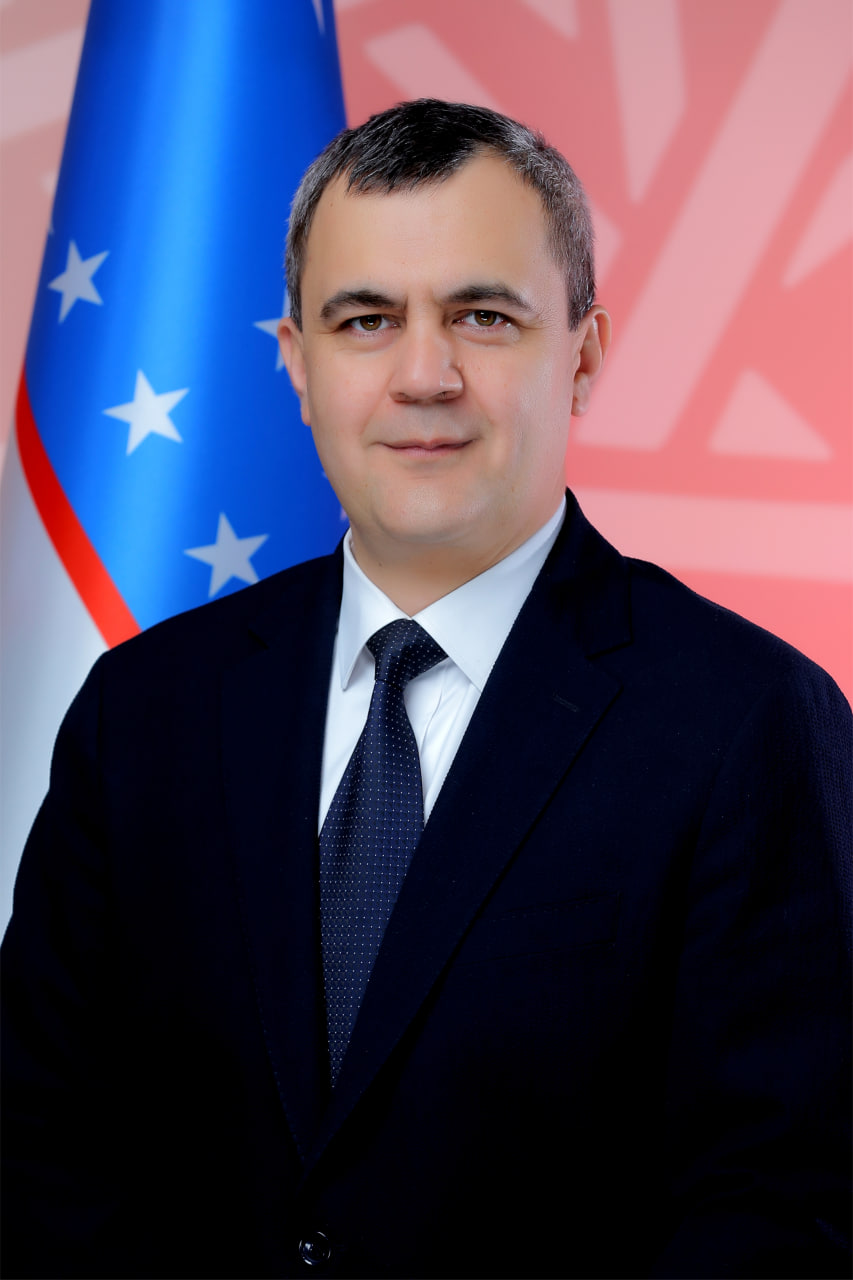
Since its establishment, the department has been headed by an experienced scientist and clinician, Doctor of Medical Sciences Dilshod Aminovich Sapaev. Under his leadership, the department has established effective coordination of scientific, educational, and clinical activities, as well as the implementation of modern educational standards.
Currently, the academic and teaching staff of the department consists of:
- Head of the Department: Doctor of Medical Sciences Sapaev D.A.;
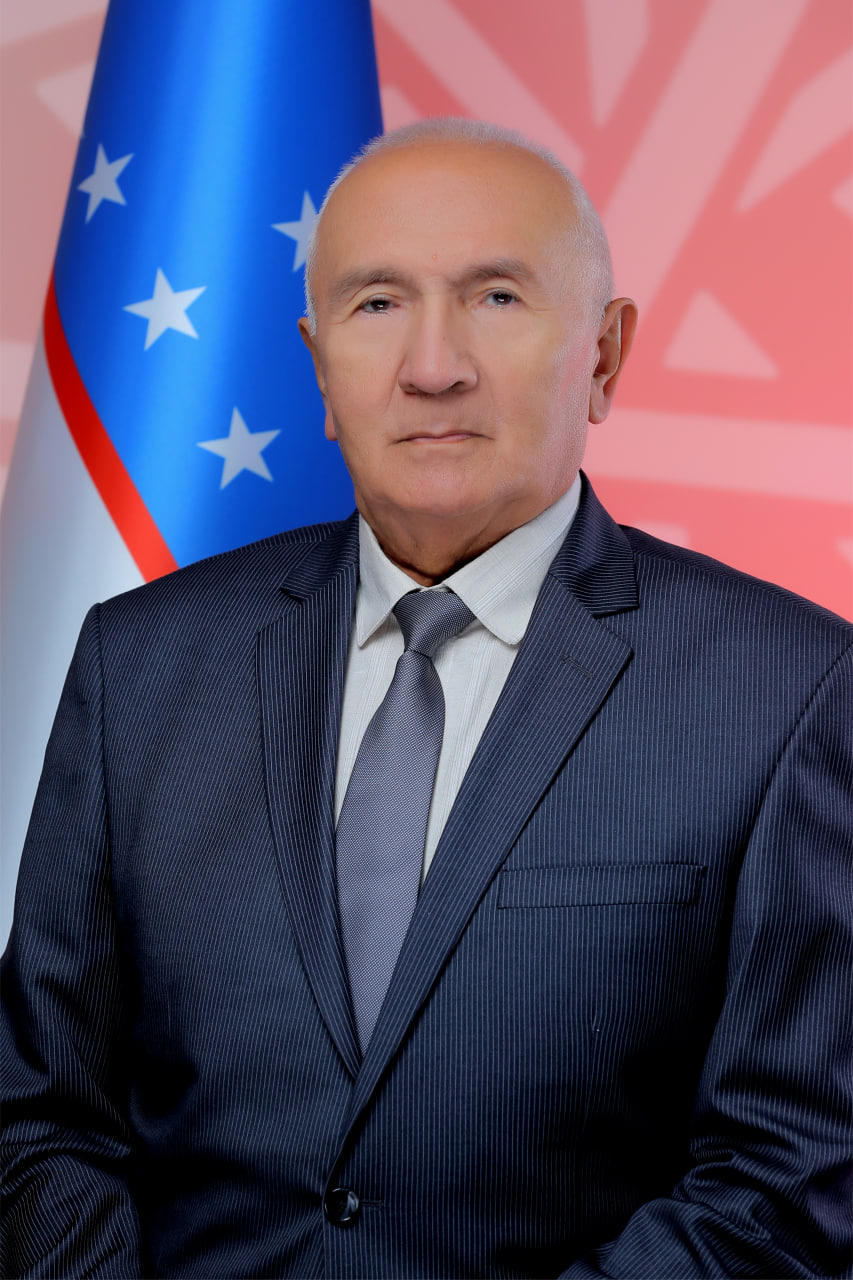
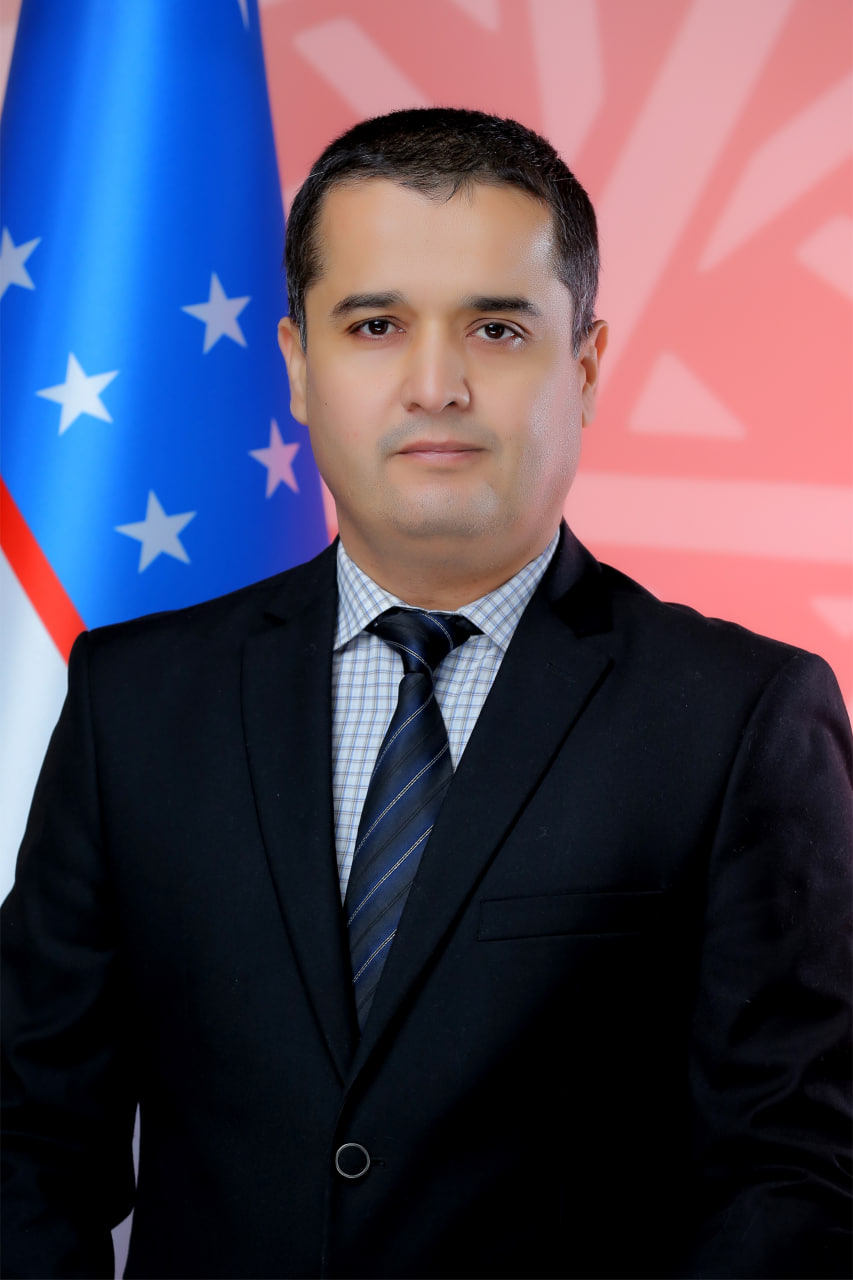
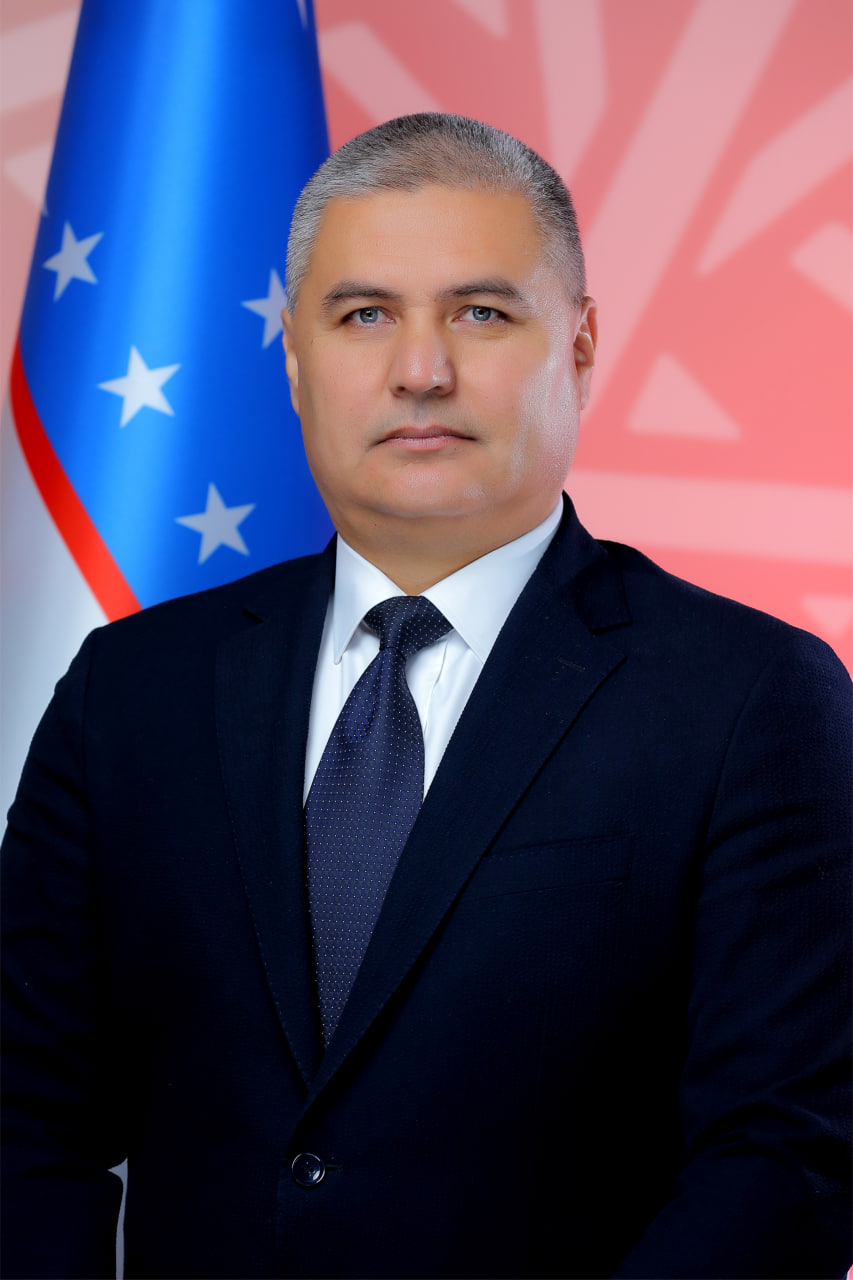
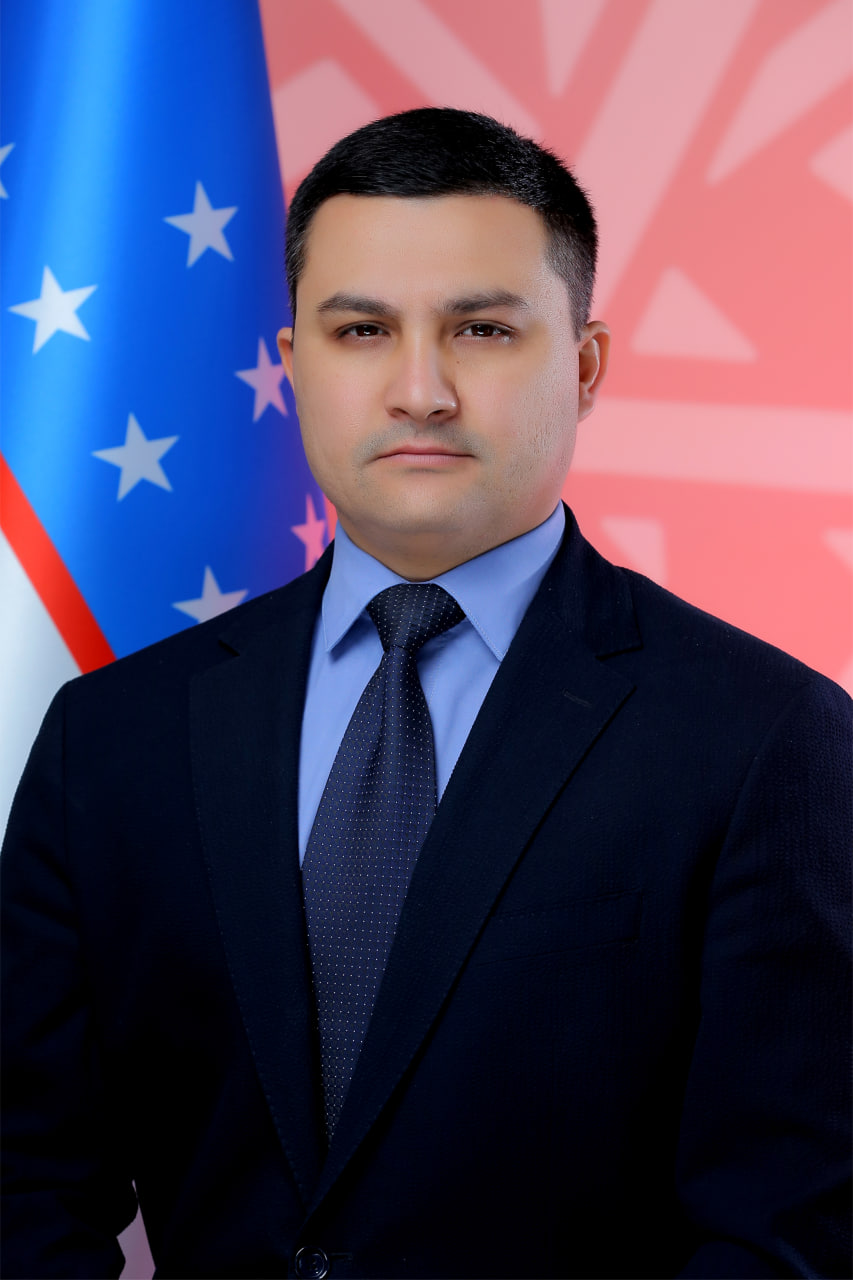
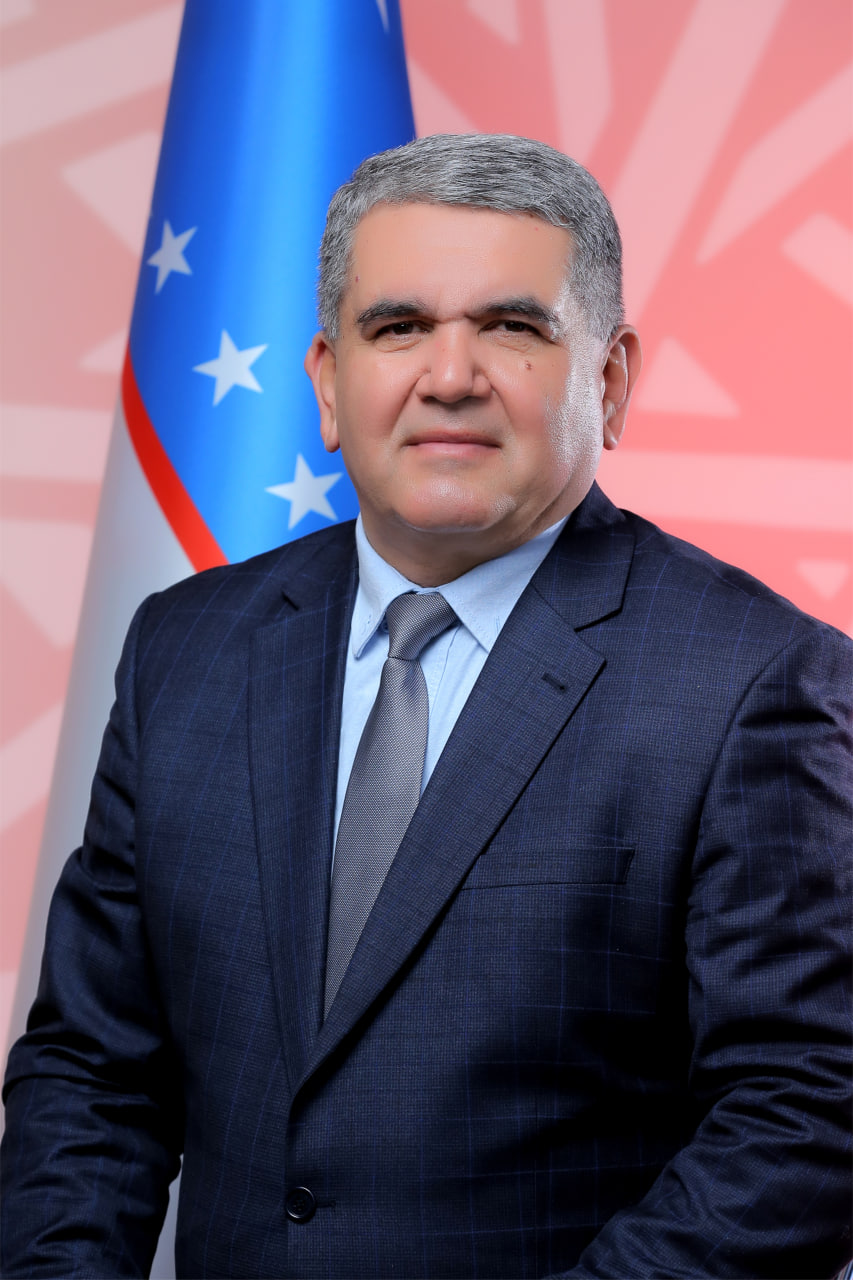
- Associate Professors: Candidate of Medical Sciences Yuldashov G.Ya., Candidate of Medical Sciences Niyazmetov A.N.;
- PhD: Sattorov Sh.Ya., Babadjanov J.K.;
- Assistants: Yunusov R.Kh., Sobirov N.A.
Each member of the department’s team carries out their professional activities by combining educational work, clinical practice, and scientific research.
Educational and Clinical Activities of the Department and Development Prospects
Educational Activities
At present, the Department provides instruction in the discipline of “Surgical Diseases” for students studying in the field of “General Medicine.” The educational process is organized based on modern pedagogical and clinical approaches, with particular emphasis on developing students’ clinical thinking, improving practical skills, and strengthening their ability to make independent clinical decisions.
The main areas of the educational process include:
- development of clinical thinking;
- organization of practice-oriented training sessions;
- development of communication and patient-care skills;
- effective use of modern clinical protocols and national standards.
Conducting practical classes at clinical sites, directly at the patient’s bedside, plays an important role in integrating students’ theoretical knowledge with clinical practice, strengthening their clinical skills, and increasing their readiness for future professional activities.
Clinical and Practical Areas
The academic and teaching staff of the department carry out clinical activities in close integration with the educational process. This approach makes it possible to improve the level of students’ practical training and ensure the application of modern diagnostic and treatment methods in clinical practice.
The main clinical and practical areas of the department’s activities include:
- diagnosis of acute and chronic surgical diseases using modern methods;
- provision of first and specialized medical care in emergency surgical conditions;
- comprehensive treatment of patients during the preoperative and postoperative periods;
- enhancing surgical awareness in family medicine practice;
- early detection of surgical diseases, prevention of complications, and timely referral of patients for specialized medical care.
Within a short period of time, the Department of Surgical Diseases in Family Medicine has established itself at Urgench State Medical Institute as a modern, practice-oriented, and promising clinical department. The department’s team consistently carries out its assigned tasks and works devotedly to the training of highly qualified medical professionals, improving the quality of clinical education, and promoting the health of the population.
This almanac, as an important historical document reflecting the department’s first steps and the stages of its establishment and development, will serve as a valuable source for future generations.
Prospects for the Further Development of the Department
The department’s development strategy is aimed at further improving the quality of clinical education at Urgench State Medical Institute, increasing the effectiveness of surgical care within the family medicine system, expanding scientific research activities, and strengthening the department’s scientific and pedagogical potential.
The prospective objectives include:
- developing algorithms for the early detection and prevention of surgical diseases within the family medicine system;
- developing practical recommendations for the management of surgical diseases at the primary health care level;
- further developing the practical skills of students and young physicians through simulation-based educational technologies;
- widely introducing modern diagnostic and treatment methods into the educational process;
- regularly updating educational and methodological materials based on clinical protocols and national standards;
- expanding scientific research activities in the fields of surgery and family medicine;
- developing scientific and practical cooperation with domestic and international higher education institutions and clinical centers;
- strengthening the scientific potential of the department and participating in new scientific projects and grant programs;
- improving continuing professional development and retraining programs aimed at enhancing surgical awareness among family medicine physicians.
In the future, the department’s team aims to continue developing educational, clinical, and scientific research activities in close integration, making a significant contribution to the training of highly competent specialists who meet the requirements of modern medicine.
with a high level of professional competence and meeting the modern requirements of medicine.
Scientific Areas and Development Prospects
- expanding practice-oriented education and introducing simulation-based and interdisciplinary teaching methods;
- adapting minimally invasive surgical techniques to the practice of primary health care;
- broadly involving young academic staff and residents in scientific research;
- developing international and national scientific and practical cooperation.
In the future, the department aims to become one of the leading educational and research centers in the region for surgical training in the field of family medicine.
Scientific Areas and Planned Dissertation Research Topics
The department plans to conduct scientific research in the following priority areas, identified in accordance with the current needs of modern surgery and family medicine:
- criteria for the early diagnosis of acute surgical diseases encountered in family medicine practice;
- optimization of preoperative preparation and postoperative treatment in emergency surgery;
- improving the effectiveness of comprehensive treatment of diseases such as obstructive jaundice, acute pancreatitis, and intestinal obstruction;
- issues related to the selection of appropriate surgical tactics in patients with comorbid conditions;
- adaptation of minimally invasive methods to the conditions of family medicine;
- improving the early diagnosis and treatment strategies for ulcerative inflammatory diseases and precancerous conditions of the colon.
Within these areas, the following dissertation topics aimed at obtaining the PhD and Doctor of Medical Sciences (DSc) degrees are planned:
- “Early Diagnosis and Treatment Tactics of Acute Abdominal Syndrome in Family Medicine Practice”;
- “Improving Algorithms for the Management of Emergency Surgical Diseases in Patients with Comorbid Conditions”;
- “Effectiveness of Minimally Invasive Surgical Methods at the Primary Health Care Level”;
- “The Importance of a Comprehensive Approach to the Prevention of Postoperative Complications.”
Detailed Description of the Clinical Bases
In order to effectively organize its activities, the department utilizes several modern clinical bases.
Clinic of Urgench State Medical Institute — the main educational and research base of the department, where students and trainees have the opportunity to integrate theoretical knowledge with practical activities. Diagnostic and therapeutic procedures for surgical diseases are carried out at the clinic.
Khorezm Branch of the Republican Scientific Center for Emergency Medical Care — one of the department’s important clinical and practical bases. The institution provides highly qualified emergency medical care for acute abdominal conditions, emergency surgical diseases, severe and complicated pancreatitis, obstructive jaundice, intestinal obstruction, and peritonitis. Department staff organize clinical duties for students and clinical residents, conduct clinical case discussions and consultations, which contribute to the development of practical experience in emergency surgery.
Private Clinic “Yulduz Med Servis” — equipped with modern diagnostic and surgical equipment and plays an important role in improving students’ practical skills. Both elective and emergency surgical procedures are performed at the clinic.
“Medkompleks” Clinic — as a multidisciplinary medical institution, provides opportunities for developing an interdisciplinary approach. Particular attention is paid to the analysis of complex clinical cases in the surgical departments.
Private Clinic “Surjimed” — specializes in providing modern medical services and cooperates with the department in improving surgical awareness in family medicine and enhancing diagnostic and treatment algorithms.
These clinical bases ensure a high level of educational, scientific, and practical activities of the department and play an important role in the training of qualified medical professionals.
Integration of Priority Surgical Areas in the Activities of the Department
The educational, scientific, and clinical activities of the department are closely integrated with the current areas of modern surgery, including surgical pancreatology, gastroenterology, coloproctology, abdominal surgery, as well as diagnostic and operative laparoscopic endosurgery.
gastroenterology, coloproctology, abdominal surgery, as well as diagnostic and operative laparoscopic endosurgery.
Surgical Pancreatology
The department places particular emphasis on the diagnosis and treatment of acute and chronic pancreatitis. Pancreatic necrosis, infectious complications, the use of endoscopic and laparoscopic drainage techniques, and algorithms for comprehensive intensive therapy during the preoperative and postoperative periods constitute an important part of the educational process and scientific research.
Integration with Gastroenterology
The integration of surgical and gastroenterological approaches to diseases is one of the fundamental concepts of the department’s activities. In gastrointestinal diseases, particular importance is attached to determining the boundaries between conservative and surgical treatment, differentiating functional disorders from organic pathology, and providing gastroenterological supervision during the preoperative preparation period.
Coloproctology and Abdominal Surgery
The department teaches modern surgical approaches to the diagnosis and treatment of diseases of the colon and rectum, intestinal obstruction, diverticular disease, and colorectal pathology. Within the framework of abdominal surgery, a comprehensive approach is developed to conditions such as acute abdomen syndrome, peritonitis, and biliary tract pathology.
Importance of Scientific and Educational Integration
The integration of the above-mentioned areas ensures an interdisciplinary approach within the department and contributes to the development of comprehensive clinical knowledge and practical skills required by physicians working in the field of family medicine. This represents an important scientific and practical foundation for improving the quality of surgical care provided to the population.
Professors & Teaching Staff
- Latest news
-
17.11.2026Entrance examinations for doctoral studies are underway
-
03.11.2026Anti-corruption training sessions continue at Urgench state medical institute
-
24.10.2026Sharing love, towards goodness!
-
20.10.2026“Youth against corruption”
-
31.07.2026Urgench State Medical Institute represented itself well at the «TalabaExpo–2026» exhibition.
-
29.07.2026Urgench State Medical Institute Expands International Cooperation
-
08.04.2026Student Spring – 2026
-
04.04.2026Students from the Urgench State Medical Institute are taking part in a *khashar* (community work event) organized on the grounds of the Youth Center.
-
11.03.2026An informational and educational event was held on the topic «The Concept of Cybersecurity and the Prevention of Cybercrimes»
-
10.03.2026«Best Drawings» contest on the theme «Youth Against Drug Abuse!»
-
View all