


The Department of Microbiology, Virology, and Immunology provides theoretical and practical training in the following subjects:
— Microbiology, virology, and immunology are taught to 2nd-year students in the faculties of General Medicine, Pediatrics, Dentistry, and Traditional Medicine; 2nd–3rd year students in the Faculty of Medical Prevention; students from the Faculty of Medical Biology at Kazan Federal University; and 1st–2nd year students in the Faculty of Pharmacy. These subjects are also taught to students at the Medical Faculty of the Nizhny Novgorod Medical University.
In addition, students from Pakistan and India study medical biology and microbiology at the department.
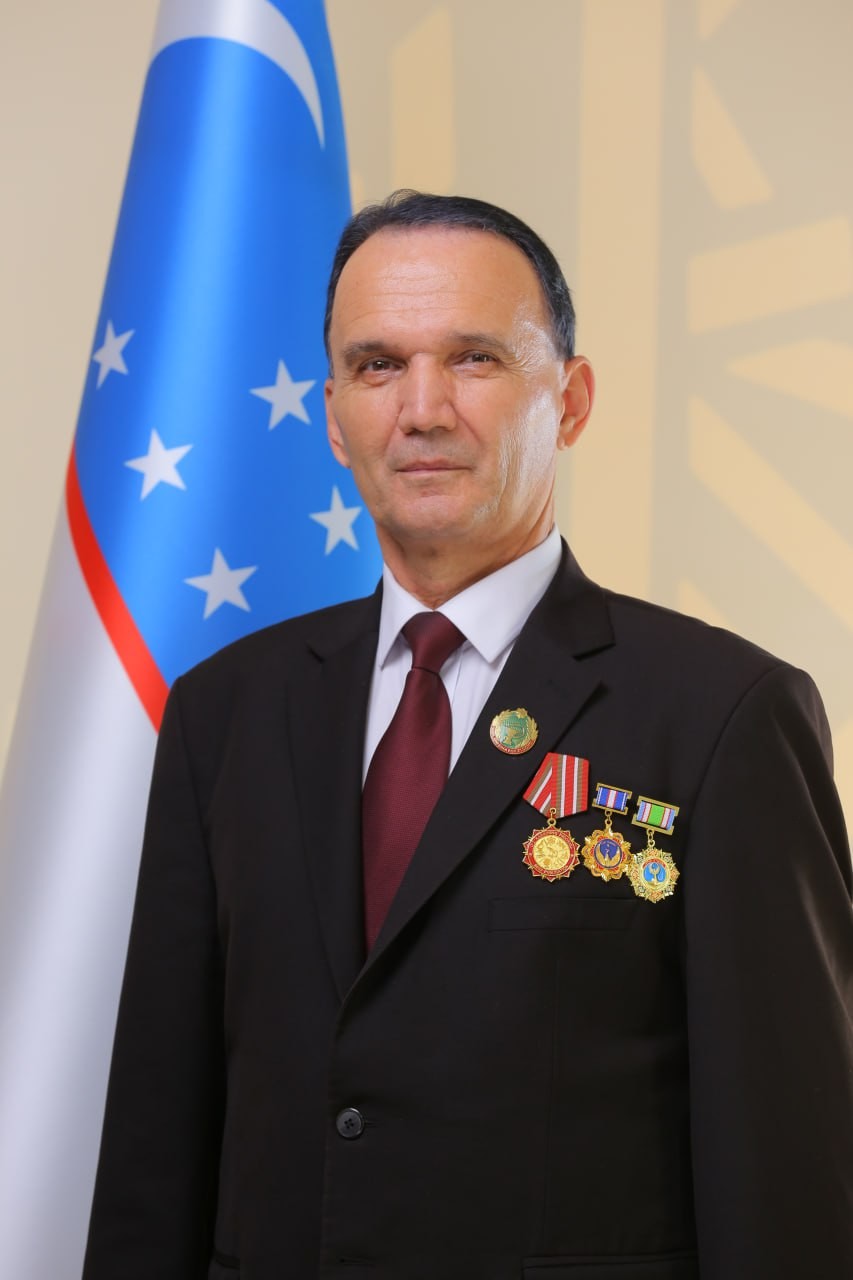
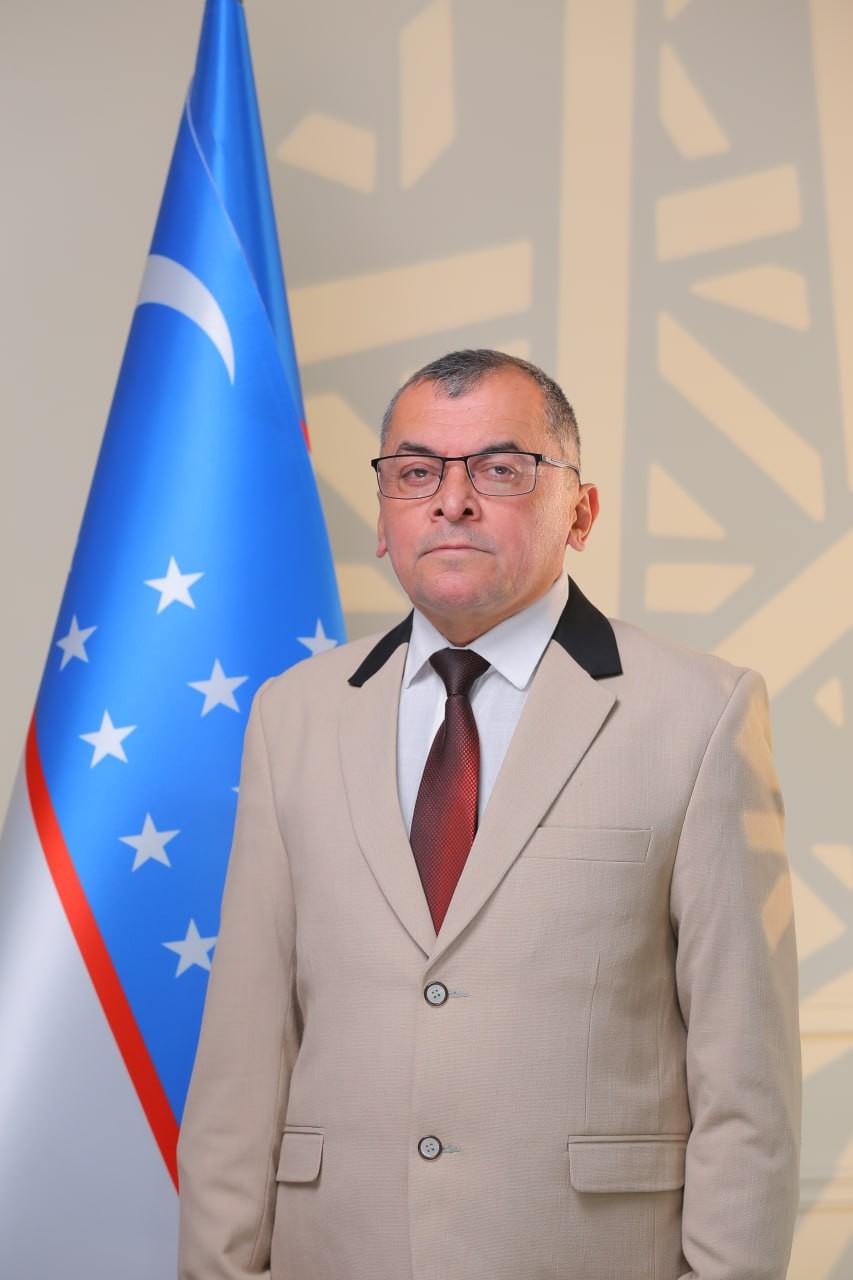
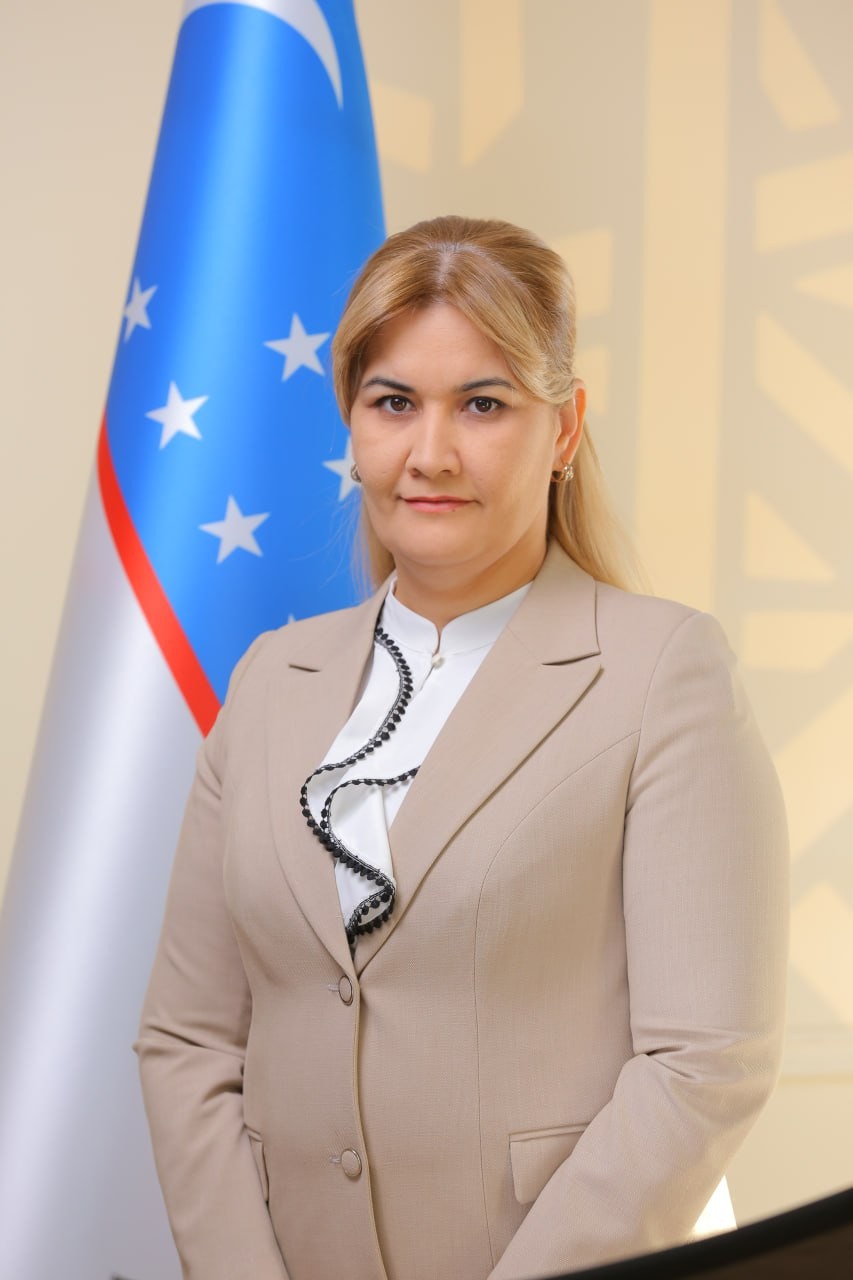
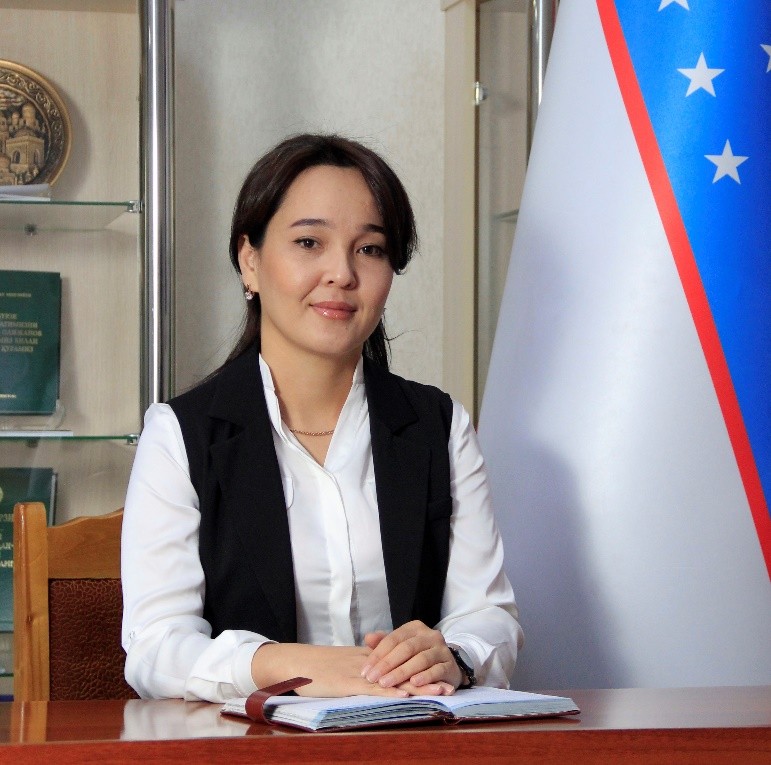
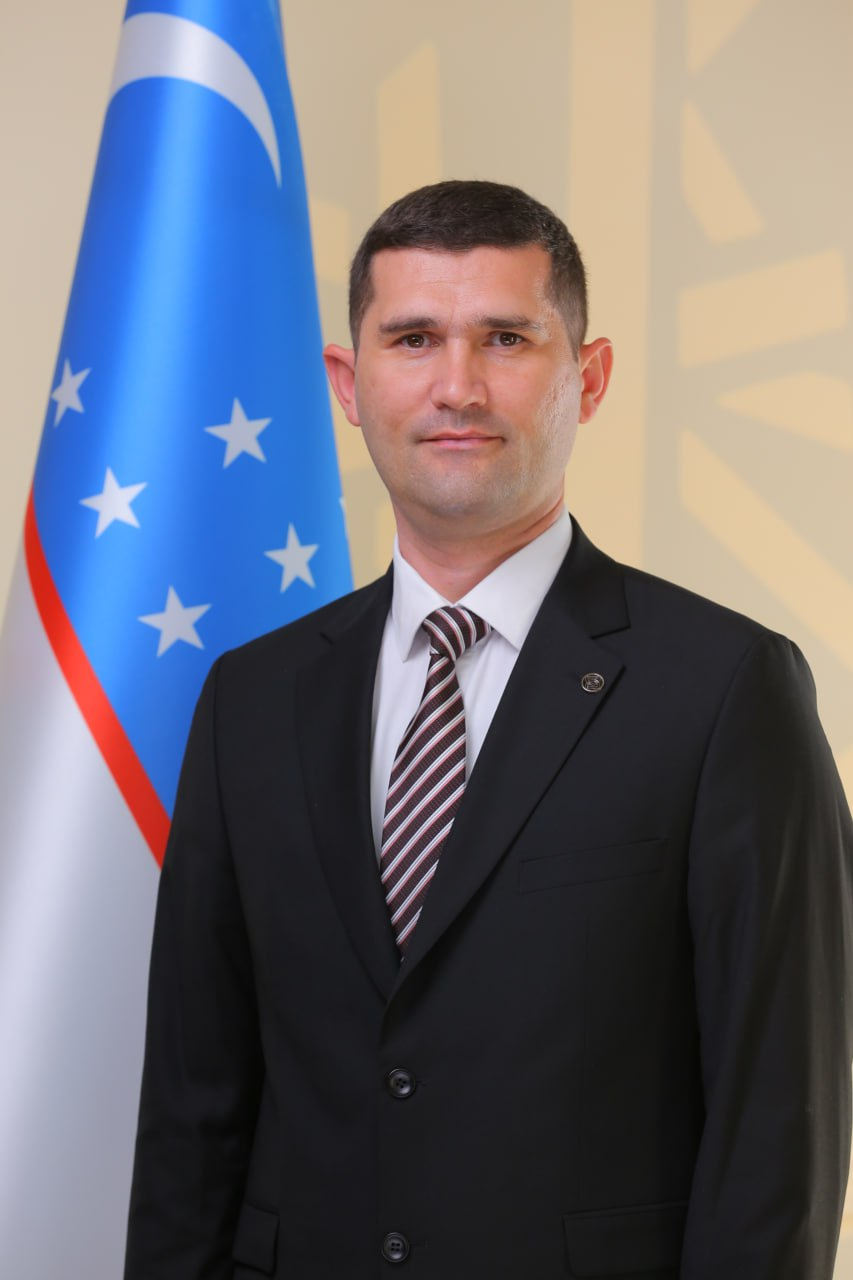
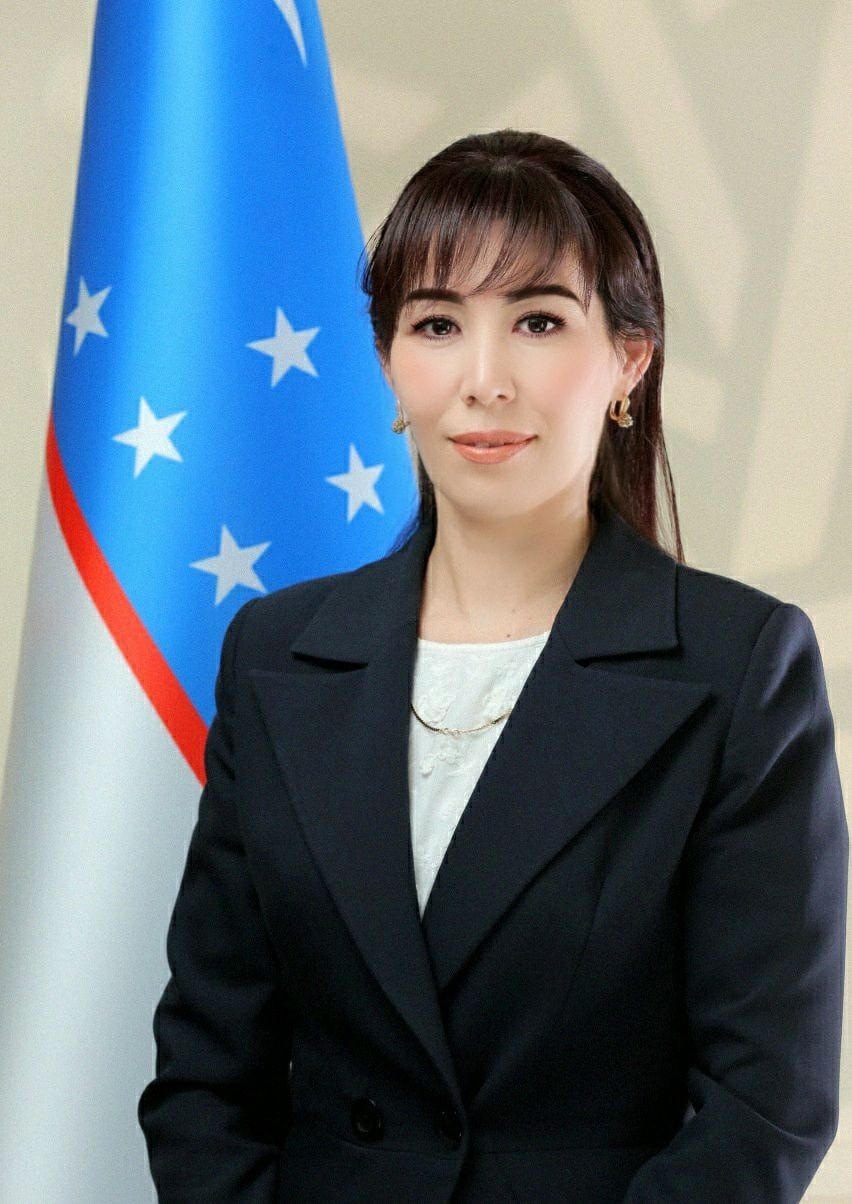
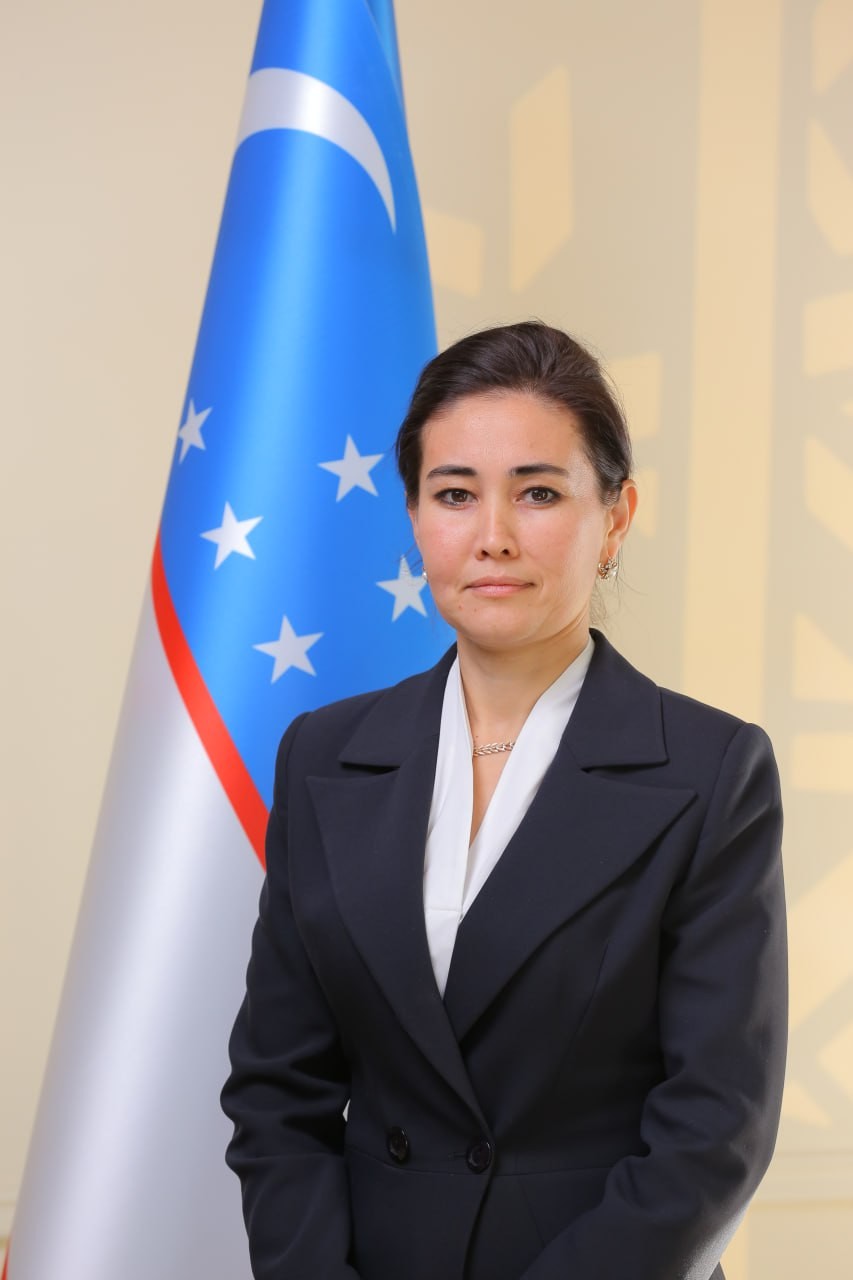
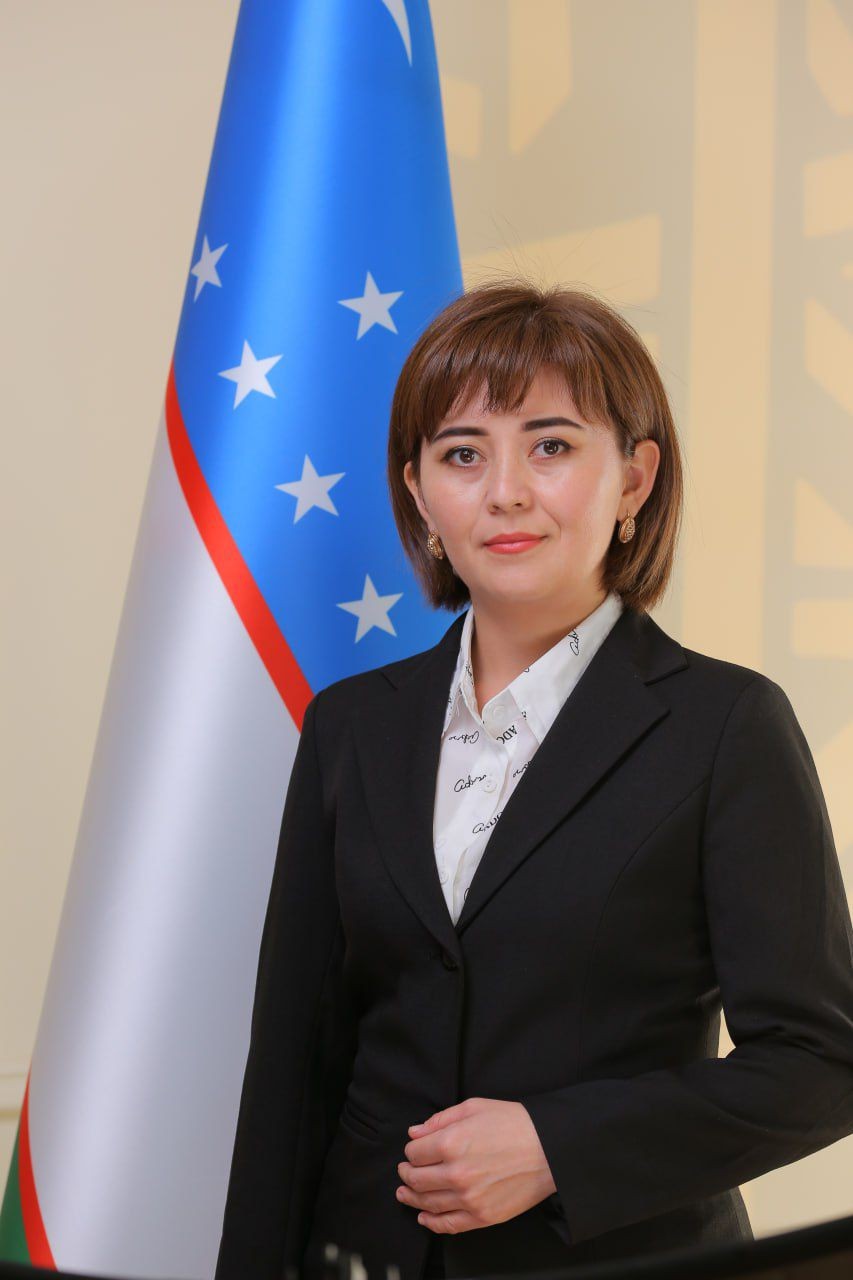
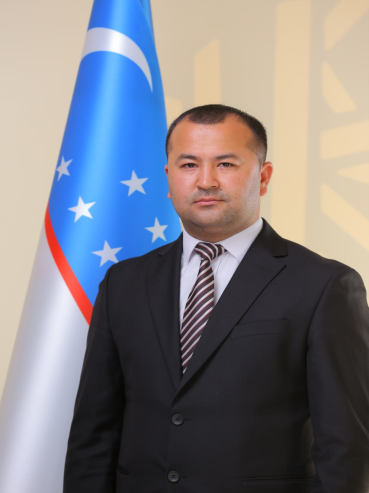
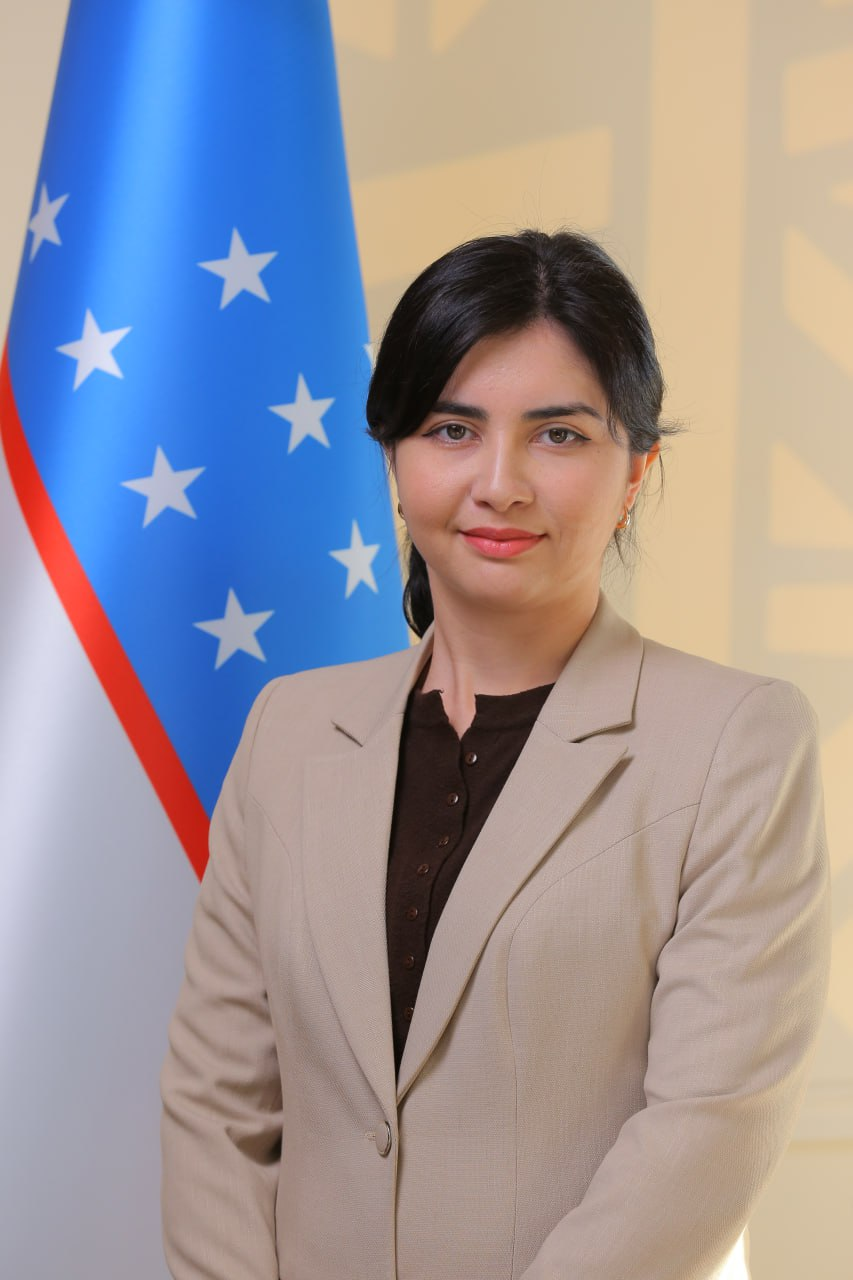
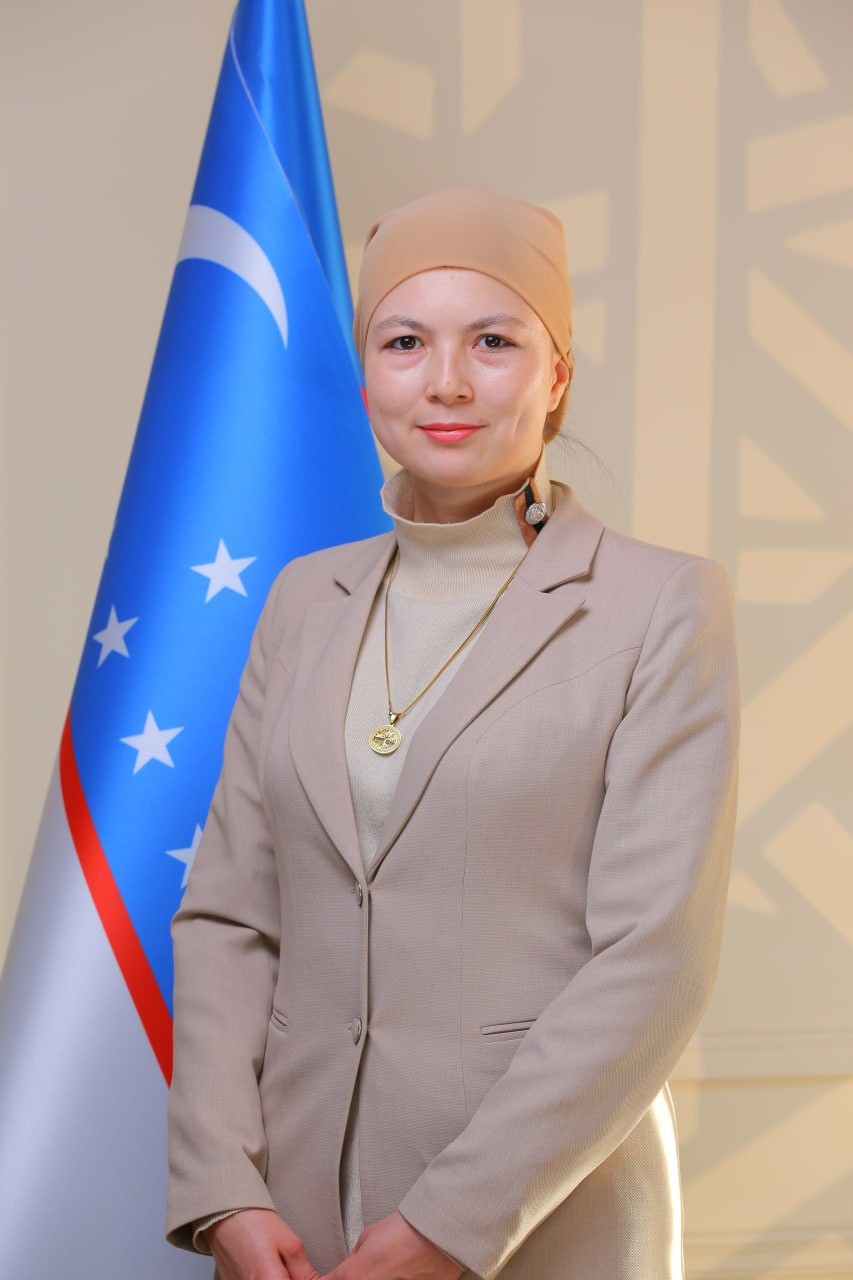
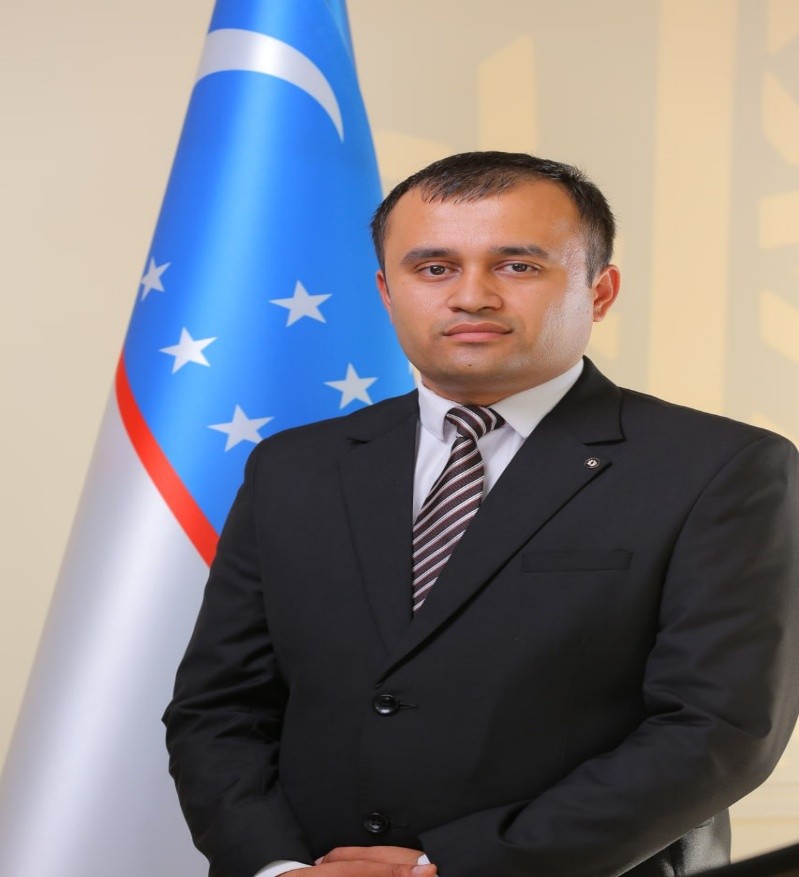
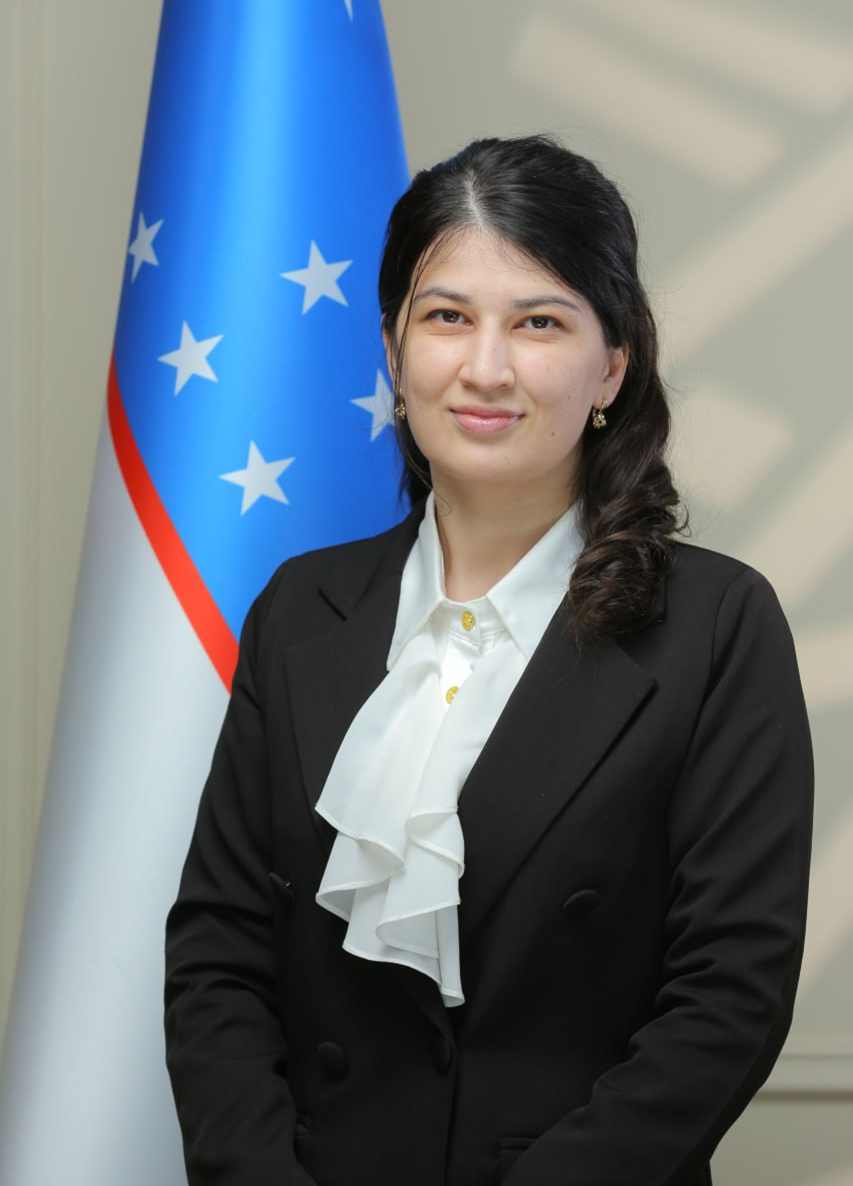
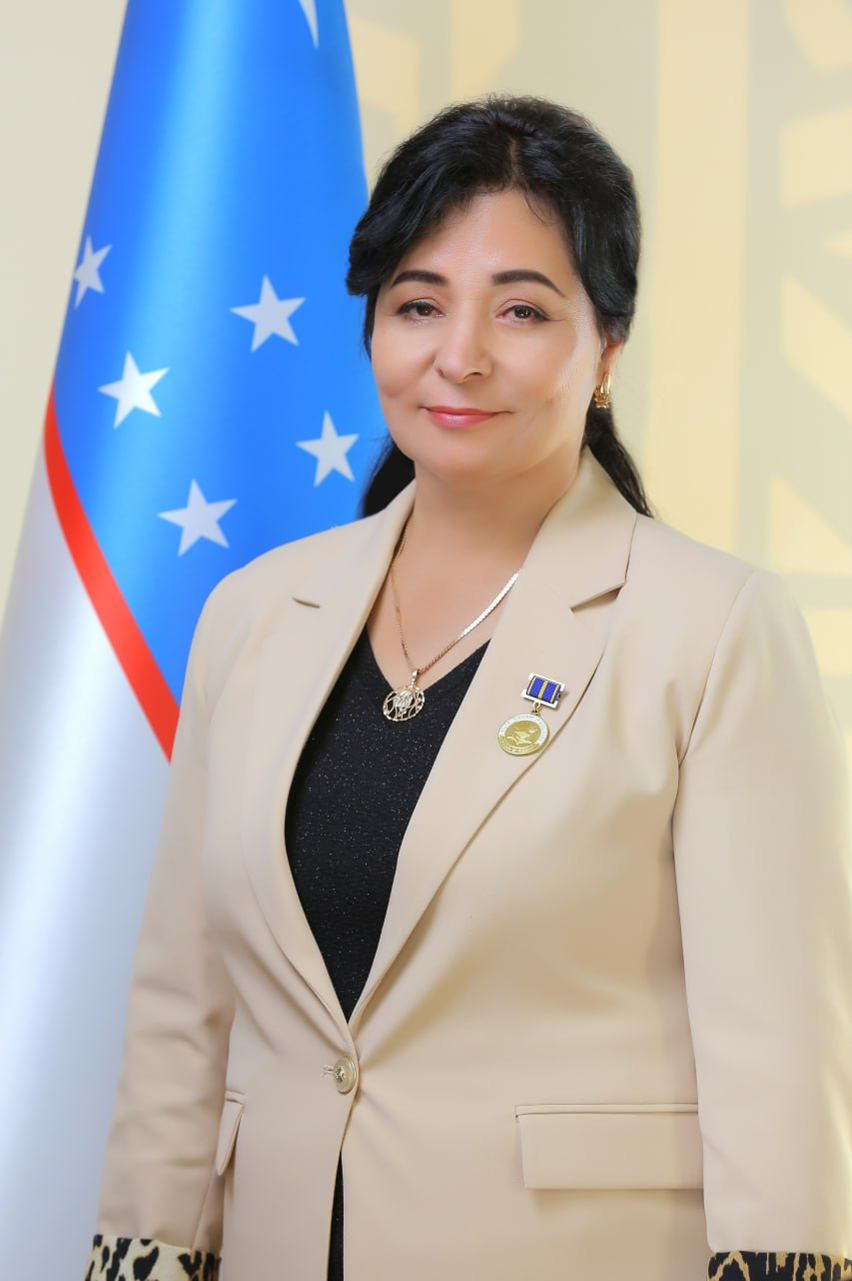
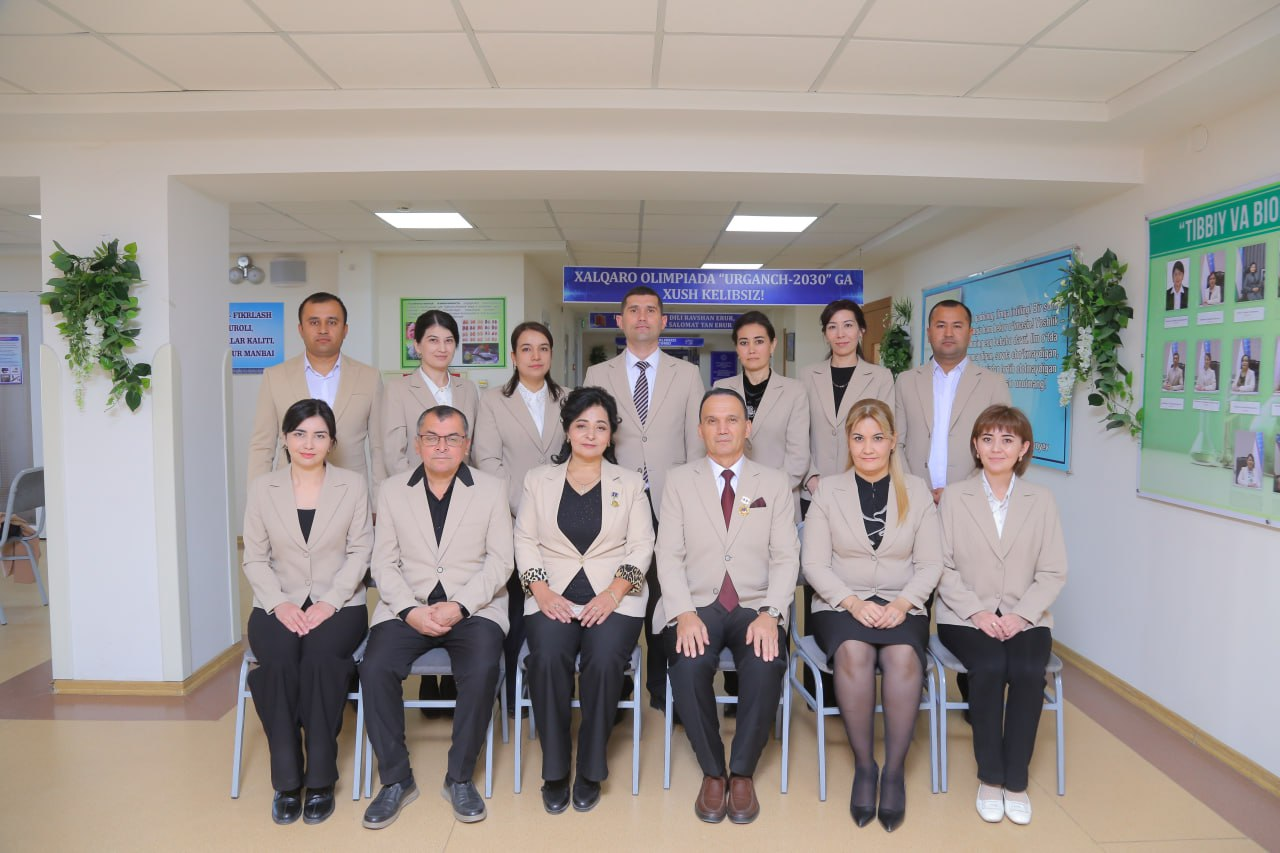
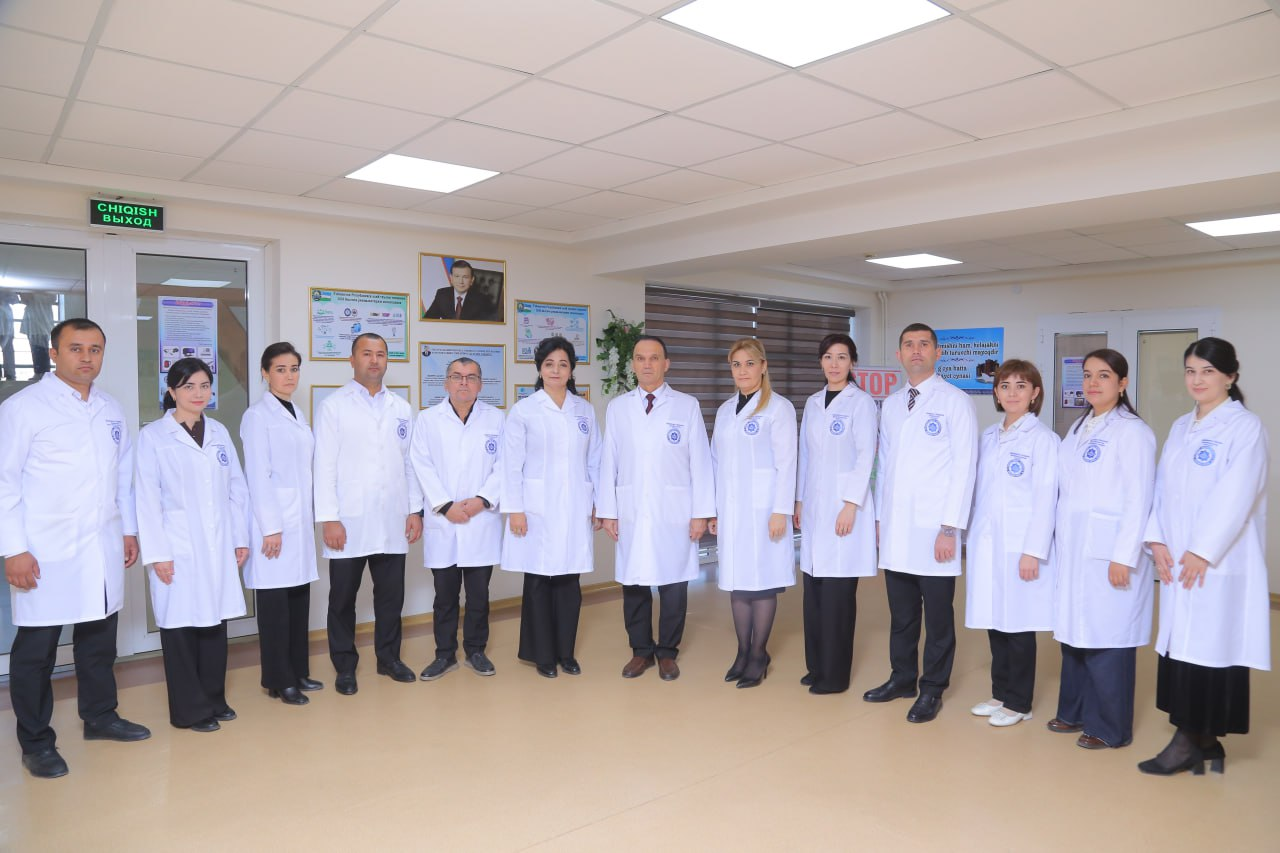
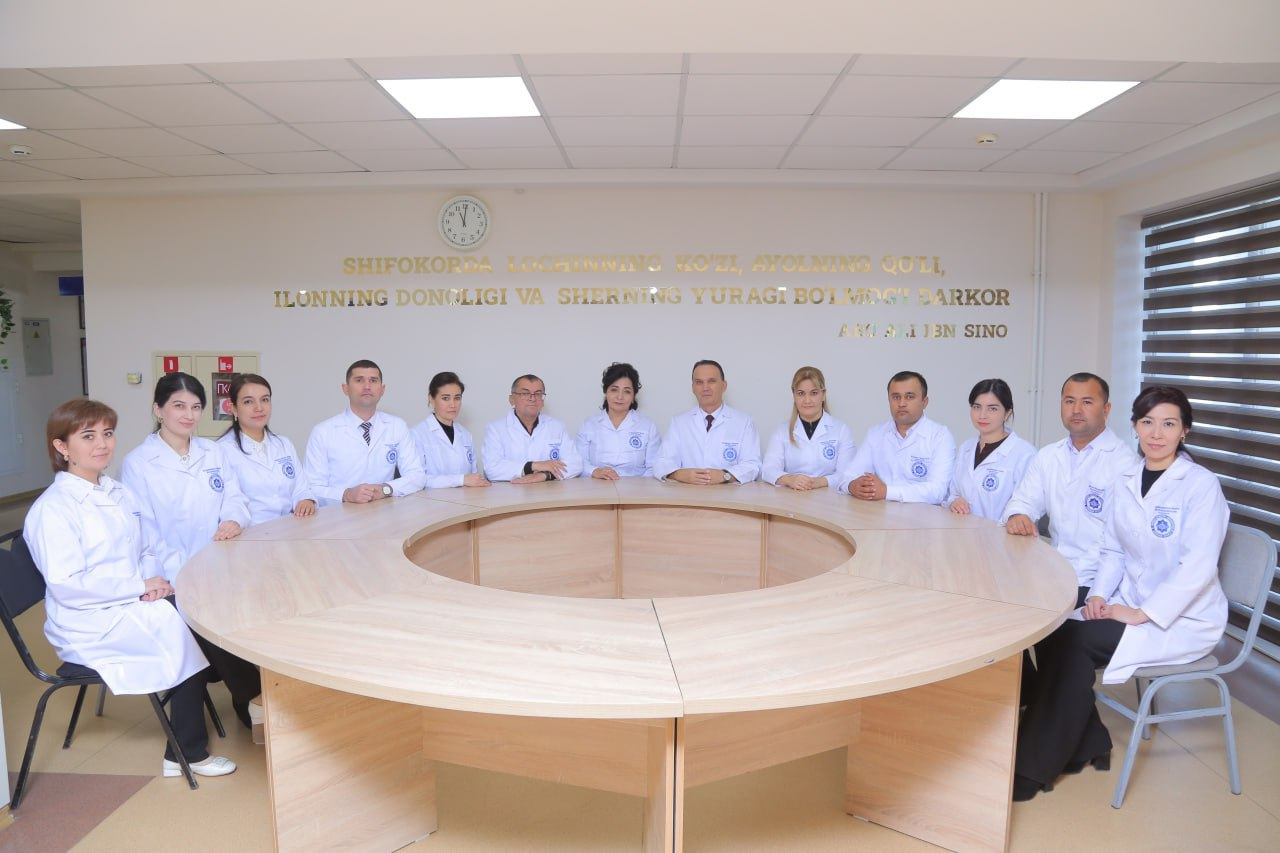
Currently, the Department of Microbiology, Virology, and Immunology is located on the premises of the Urgench City Center for Sanitary-Epidemiological Well-being and Public Health. The department occupies a total area of 270 m². The academic staff consists of 16.5 full-time equivalent positions. The department’s scientific qualification rate (the proportion of staff with advanced academic degrees) is 30%. Current faculty members include Associate Professors Otanazar Kadyrovich Sadullayev, Shakirbek Yusupovich Zakirov, and Barno Sultanovna Samandarova, as well as Candidate of Medical Sciences Maksuda Akhmedjanovna Karimova. Assistants: Nodira Sharafatdinovna Urazmetova, Ulugbek Umarovich Usmanov, Dina Maratovna Dinaliyeva, Sarvinoz Ravshanbekovna Zhumaniyazova, Kamola Tojibayevna Khudayberganova, Gulnaza Atabayevna Matniyazova, Sardor Khushnudovich Nurullayev, Bobur Ulugbekovich Kuzibayev, and Mukhaye Rakhmanova; Mukaddas Khushnudovna Otamuratova; Office Manager Nilufar Avezbayeva; and Laboratory Manager Shokhista Maksudbekovna Shomuratova.
The department’s research focus is: “Studying the specific immunobiological aspects of human pathological conditions under ecologically adverse environments, as well as developing novel approaches to the diagnosis, treatment, and prevention of infectious diseases affecting mothers and children.” In relation to this theme, department staff have published—and continue to publish—over 200 academic papers, abstracts, and articles, along with 4 monographs, 7 textbooks, and more than 20 educational-methodological manuals.